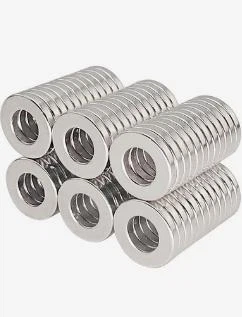
Bonded NdFeB magnet is a strong magnetic material with high energy density, high magnetic properties and high temperature resistance. It is widely used in motors, audio, electronic products and other fields. The surface treatment of bonded NdFeB magnets is an essential part of its application process. Its purpose is to improve the stability and corrosion resistance of the magnets, thereby extending the service life of the magnets. Let's take a look at what are the surface treatments for bonded NdFeB magnets?
1. Coating treatment
Coating treatment is a relatively common surface treatment method, which achieves effects such as anti-corrosion, beautification, and improved conductivity by forming a layer of metal coating on the surface of the magnet. Optional metals include copper, chromium, nickel, zinc, silver, and more. Among them, copper plating can improve electrical conductivity and mechanical strength, while nickel plating can improve corrosion resistance. However, it should be noted that the time and temperature should be controlled when using coating treatment to avoid affecting the magnetic properties of the magnet.
2. Spraying treatment
Spraying treatment is a simple surface treatment method that can achieve anti-rust, anti-corrosion, beautification and other effects by directly spraying a layer of anti-corrosion paint or coating. However, it should be noted that when spraying paint, the surface of the magnet must be kept dry, clean and smooth, and bubbles, sagging, dripping, etc. must be avoided to avoid affecting the magnetic properties of the magnet.
3. Raw material selection
In addition to the surface treatment method, the selection of raw materials is also an important factor affecting the performance of bonded NdFeB magnets. Specifically, raw materials with high purity, good uniformity, fine particle size, high hardness, and good cutting performance should be selected to ensure the magnetic and physical properties of the magnet.
There are many surface treatment methods for bonded NdFeB magnets, but no matter which method is used, the treatment time and temperature should be controlled to avoid affecting the magnetic properties and the overall performance of the magnet. At the same time, quality and stability should also be paid attention to when selecting raw materials to ensure that the magnets can work stably and reliably for a long time.