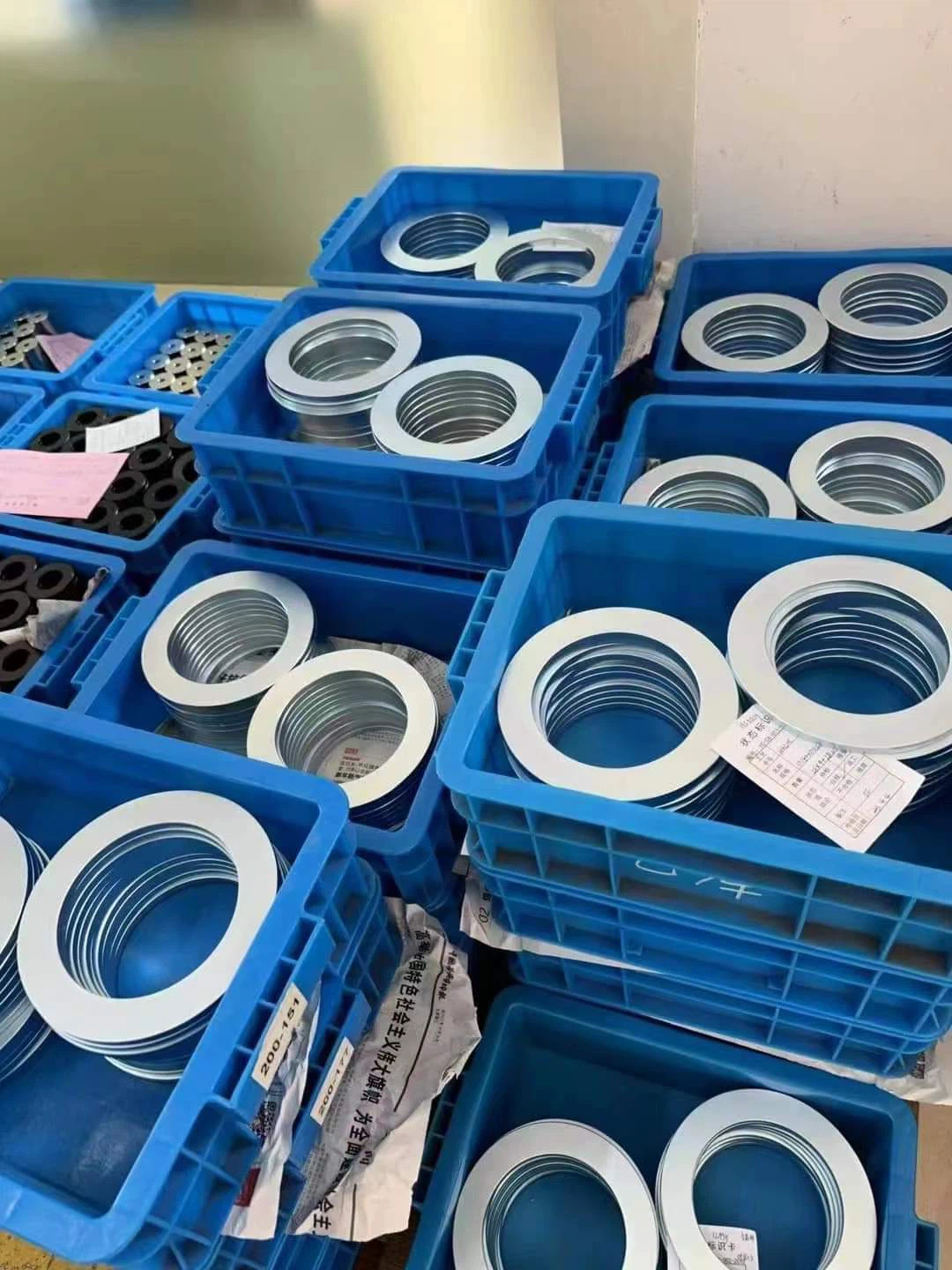
NdFeB magnet is a high-performance permanent magnet material that is favored by people for its excellent magnetic properties and wide range of applications. However, such magnets have their own limitations, the most critical of which is temperature.
First of all, the magnetic properties of NdFeB magnets are greatly affected by temperature. Generally speaking, the magnetic properties of this kind of magnet do not change much in the range of 0℃-80℃, but once the temperature exceeds this range, its magnetic properties will decrease rapidly until it loses its magnetism. Therefore, to maintain the excellent magnetic properties of NdFeB magnets, the most suitable temperature should be controlled between 0°C and 80°C.
Secondly, the thermal stability of NdFeB magnets itself is insufficient. When the temperature exceeds 80°C, such magnets will begin to suffer from oxidation, demagnetization and other problems, and may even burn out directly. Therefore, when using NdFeB magnets, the temperature must be strictly controlled to avoid excessive temperatures.
However, despite these temperature limitations of NdFeB magnets, it is still an excellent permanent magnet material with wide applications in many fields. For example, it can be seen in motors, sensors, computer disks and other fields. In these applications, the most suitable temperature is between 0℃-80℃.
Therefore, we should take a positive view of this limitation of NdFeB magnets in order to make better use of this magnet. During use, we should try to control the temperature to avoid problems caused by excessive temperature. At the same time, we can also research and explore some new materials and technologies to solve the problems of NdFeB magnets in high temperature environments and further expand their application areas.
To sum up, the most suitable temperature for NdFeB magnets is 0℃-80℃. Exceeding this range will adversely affect its magnetic properties and thermal stability. We should face up to this limitation and work hard to find solutions to better promote and use this excellent permanent magnet material.